Lost in the Noise: Why today’s youth are struggling — And What Parents can do about it
A Generation Under Pressure
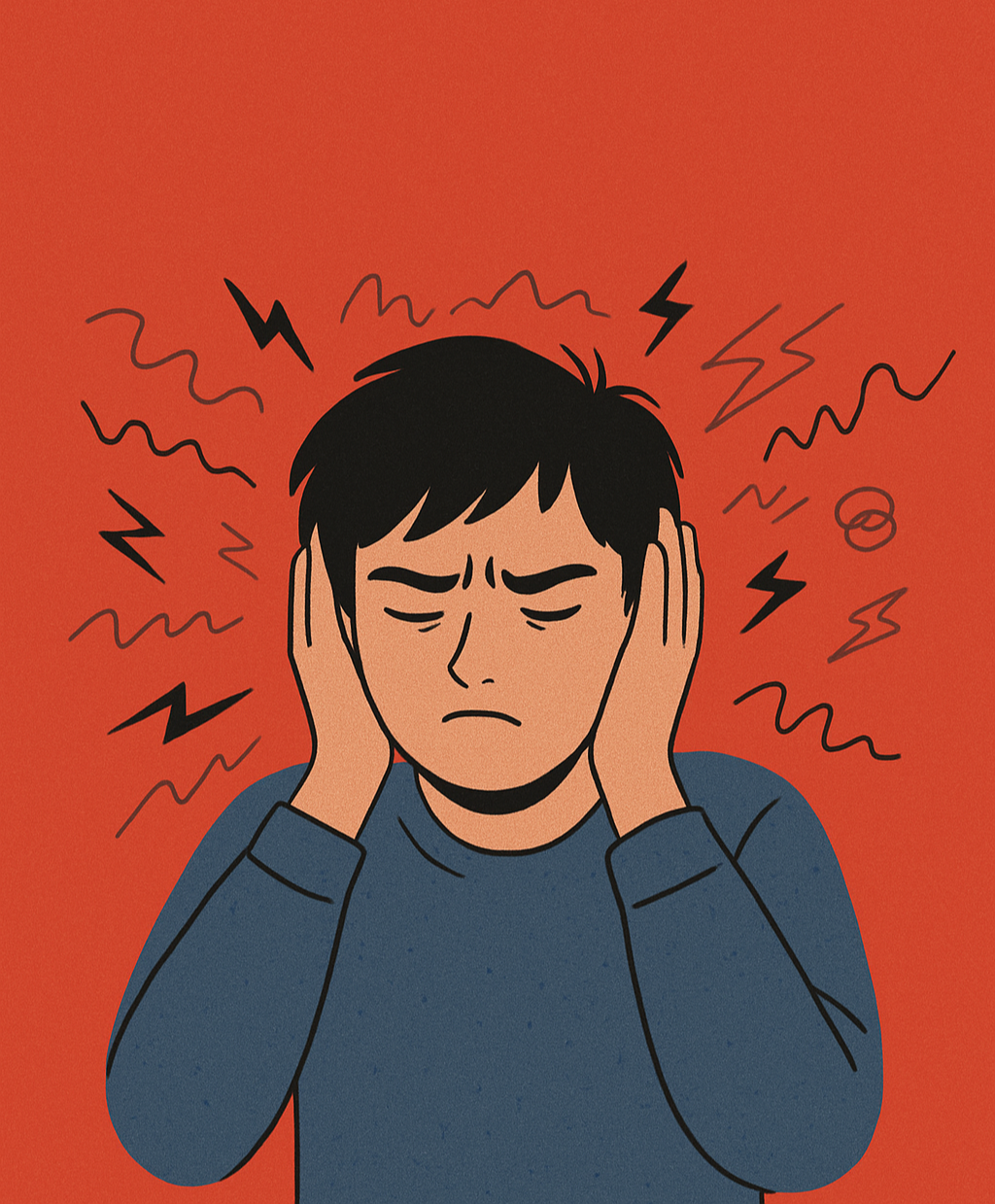
We’re living in one of the most hyper-connected, fast-paced, yet emotionally disconnected times in history. Teenagers and young adults today are grappling with a unique storm of pressures — academic expectations, digital overload, social anxiety, career uncertainty, and emotional suppression.
Parents, often raised in an entirely different world, are struggling to understand what’s wrong and how to help.
So why exactly are today’s youth feeling so lost, and what can parents really do to reconnect, guide, and empower them?
This article explores the real pain points affecting young people in 2025 and offers practical, research-backed solutions for both generations to heal, grow, and build a meaningful bond in a noisy world.
Part 1: Understanding the Pain Points
1. Digital Overload & Dopamine Drain
The Pain:
The average teen spends 7–9 hours on screens daily — not including schoolwork.
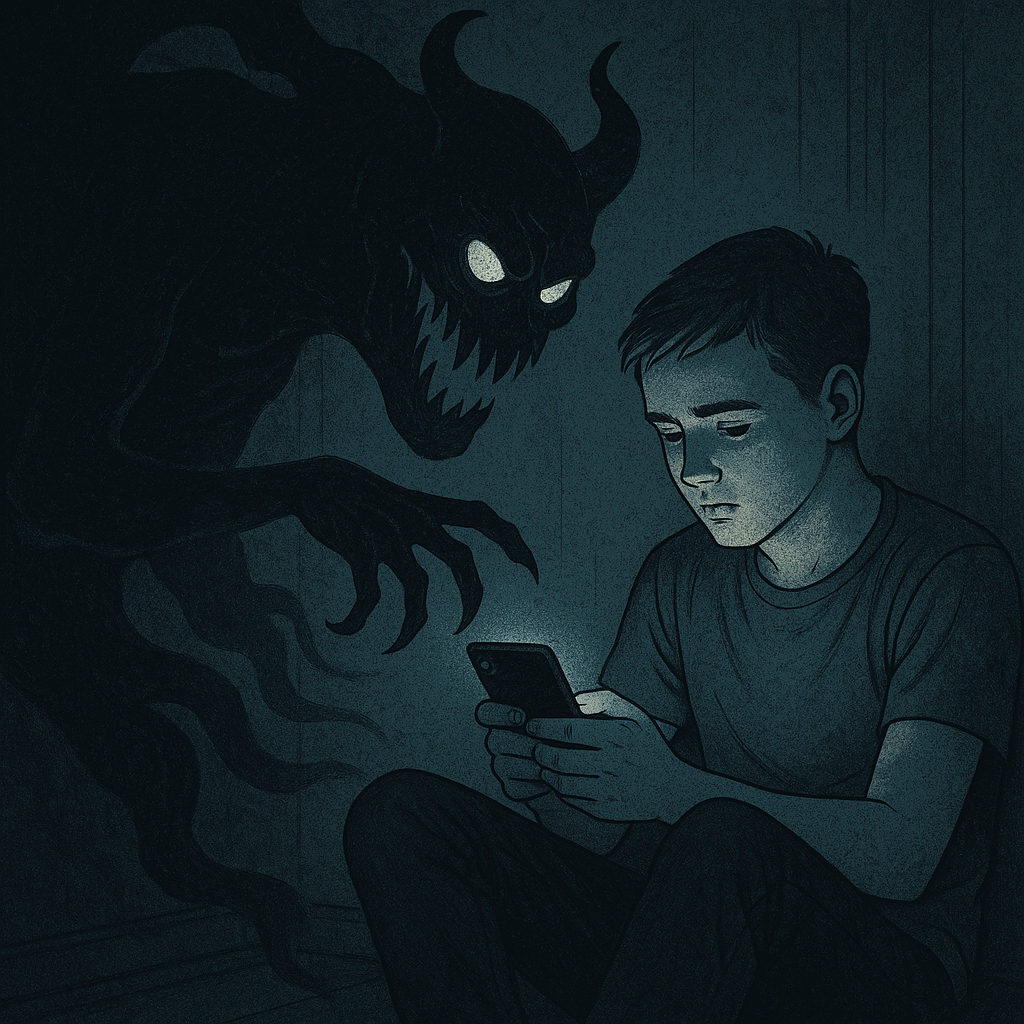
Endless scrolling through Instagram, YouTube Shorts, and gaming apps floods the brain with dopamine, creating addiction-level dependencies.
The Impact:
-
Shortened attention spans
-
Dopamine exhaustion (reduced motivation for real-life tasks)
-
Poor sleep hygiene
-
Lower emotional regulation
-
Decreased academic performance
Why It Hurts:
Parents often label it “laziness” or “irresponsibility,” unaware that excessive digital stimulation rewires young brains.
Teens aren’t just “choosing” to stay on screens — their neural reward systems are literally hooked.
2. Unrealistic Expectations & Perfectionism
The Pain:
Today’s youth are bombarded with images of success — teenage CEOs, six-pack influencers, millionaires at 21. The result? An unhealthy obsession with early success and toxic comparison.
The Impact:
-
Anxiety disorders and panic attacks
-
Fear of failure and chronic procrastination
-
Identity confusion
-
Shame around being “average”
Why It Hurts:
Parents, wanting the best, often unknowingly add pressure — “You have to top the class,” “Look at your cousin.” But success isn’t a race. This pressure breaks more spirits than it builds.
3. Mental Health Crisis & Emotional Suppression
The Pain:
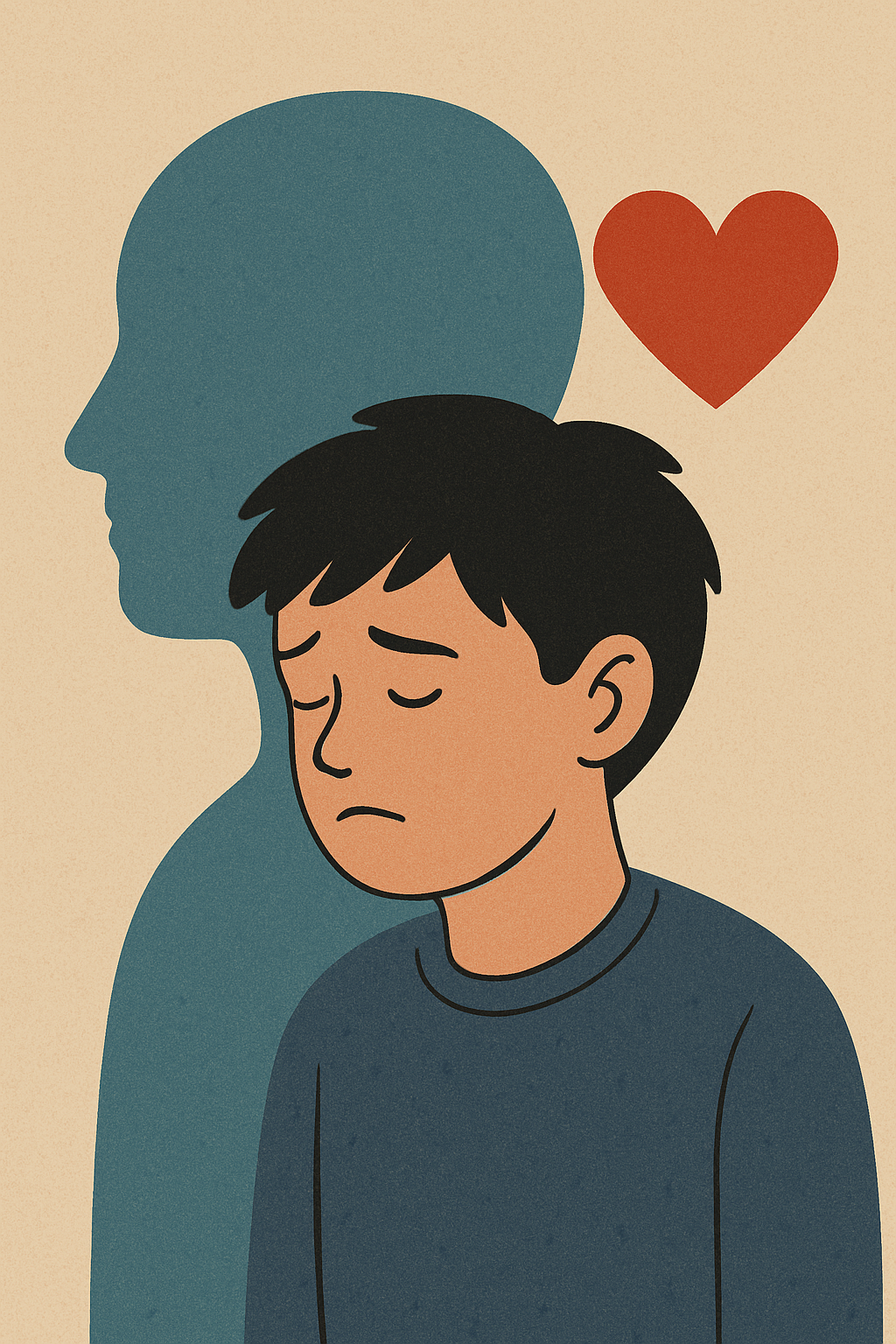
Depression, anxiety, and suicidal thoughts are no longer rare. Youth are hurting but don’t know how to express it — or worse, they fear being judged.
The Impact:
-
Silent suffering
-
Isolation, self-harm, or substance abuse
-
Lack of emotional vocabulary
-
Resistance to therapy
-
Why It Hurts:
Many parents still see mental health as a taboo or overreaction. But your child’s emotions are as real as physical wounds — ignoring them only deepens the cut.
4. The Identity Crisis
The Pain:
Teens are exploring gender identity, purpose, sexuality, spiritual beliefs, and career paths — all under a harsh social media microscope.
The Impact:
-
Confusion and inner conflict
-
Risky behaviors in search of belonging
-
Lack of direction and motivation
-
Why It Hurts:
If parents shut down difficult conversations with “Don’t talk nonsense” or “This is just a phase,” the child retreats, sometimes permanently, into secrecy or rebellion.
5. Parent-Child Disconnect
The Pain:
Parents and kids live in two emotional worlds — one analog, one digital. Miscommunication is frequent. Trust is rare.
The Impact:
-
Constant arguments or silent walls
-
Loss of respect and influence
-
Superficial relationships under the same roof
Why It Hurts:
It’s not that either side doesn’t care. It’s that they’ve stopped speaking the same language.
Part 2: The Way Forward — Solutions for Parents & Youth
Let’s shift gears now — from fear to hope. Each pain point has a path of healing. Let’s break down the doable, realistic, and powerful strategies that bridge the generational gap.
1. Create a Digital Reset Culture at Home
For Youth:
-
Use “focus” apps to limit screen time.
-
Schedule screen-free hours daily — especially an hour before bed.
-
Engage in analog hobbies (painting, music, walking, journaling).
-
Practice dopamine fasting once a week.
-
For Parents:
-
Model what you preach: Don’t scroll during dinner and expect kids not to.
-
Create tech-free zones — like bedrooms and the dining table.
-
Don’t punish screen addiction — work with your child to create healthier digital habits.
Pro Tip: Start “Digital Detox Sundays” as a family. Read, cook, walk, or just sit and talk.
2. Stop Comparing — Start Listening
For Youth:
-
Understand your worth isn’t in numbers, likes, or ranks.
-
Define your version of success.
-
Use journaling or therapy to process identity and comparison stress.
For Parents:
-
Stop comparing your child to others — it’s poison, not motivation.
-
Ask open-ended questions: “What makes you feel fulfilled?”
-
Validate their efforts, not just results.
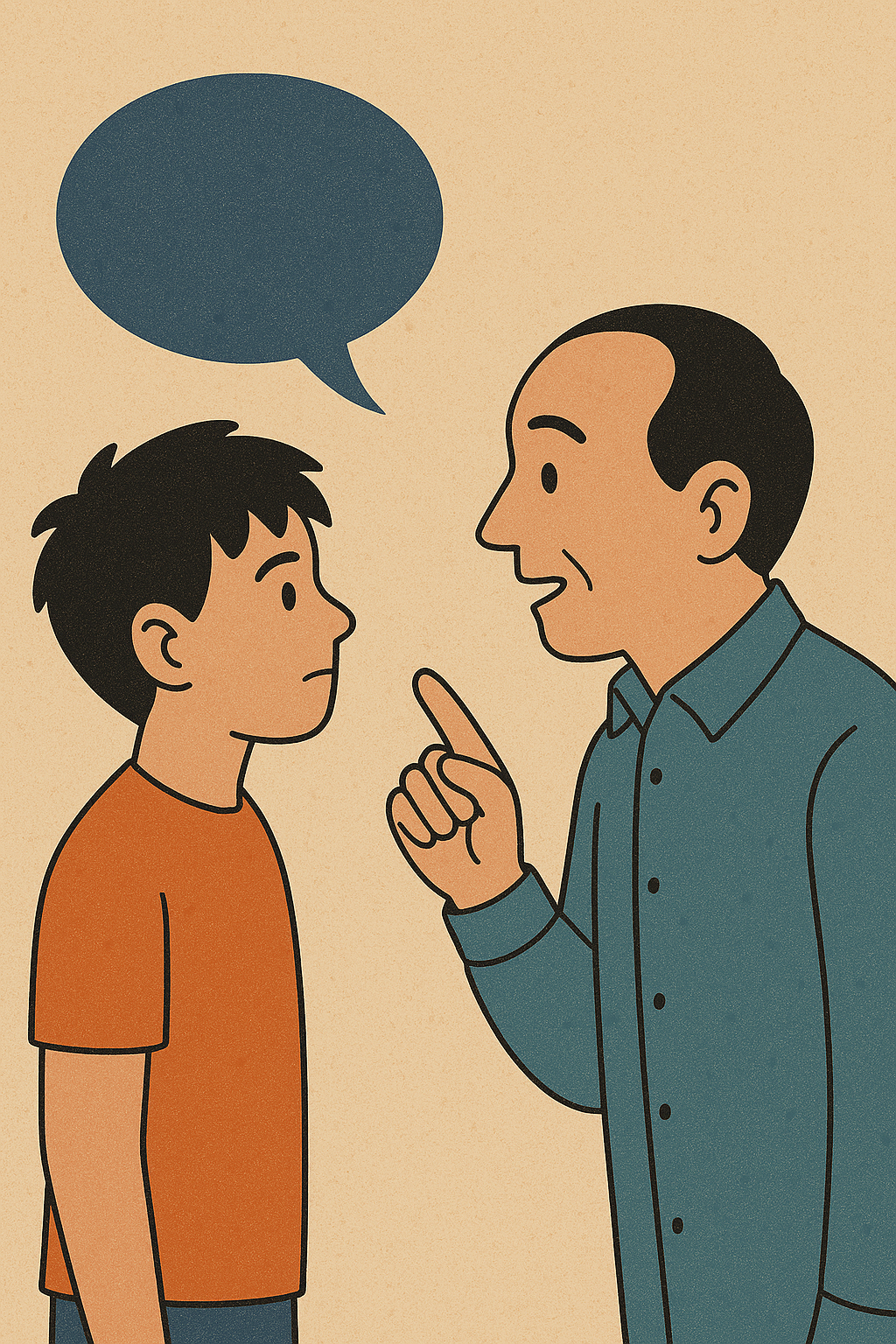
Pro Tip: Replace “Why didn’t you get 95%?” with “How do you feel about your effort?”
3. Prioritize Mental Health — Like Physical Health
For Youth:
-
Normalize therapy, meditation, or coaching.
-
Speak up — write notes or texts if talking is hard.
-
Know that asking for help is not weakness. It’s maturity.
For Parents:
-
Invest in your child’s mental health like you would in tuition or food.
-
Break the silence. Ask: “How are you feeling today — really?”
-
Never mock emotions — honor them, even if you don’t understand.
-
Pro Tip: Learn emotional vocabulary together — explore tools like the “Feelings Wheel.”
4. Guide, Don’t Control Identity Formation
For Youth:
-
Explore safely and with intention — read, research, and reflect.
-
Take your time forming opinions. Growth isn’t instant.
-
Respect differences — your identity doesn’t need validation to be valid.
For Parents:
-
Accept that your child may have a different identity than you envisioned.
-
Support doesn’t mean agreeing — it means respecting.
-
Ask: “How can I support your journey?”
Pro Tip: Attend workshops or webinars on parenting diverse identities — stay informed, not fearful.
5. Rebuild the Parent-Youth Connection
For Youth:
-
Be honest about what you need from your parents: space, trust, empathy.
-
Don’t shut down — communicate your boundaries clearly.
-
Forgive your parents for not being perfect.
For Parents:
-
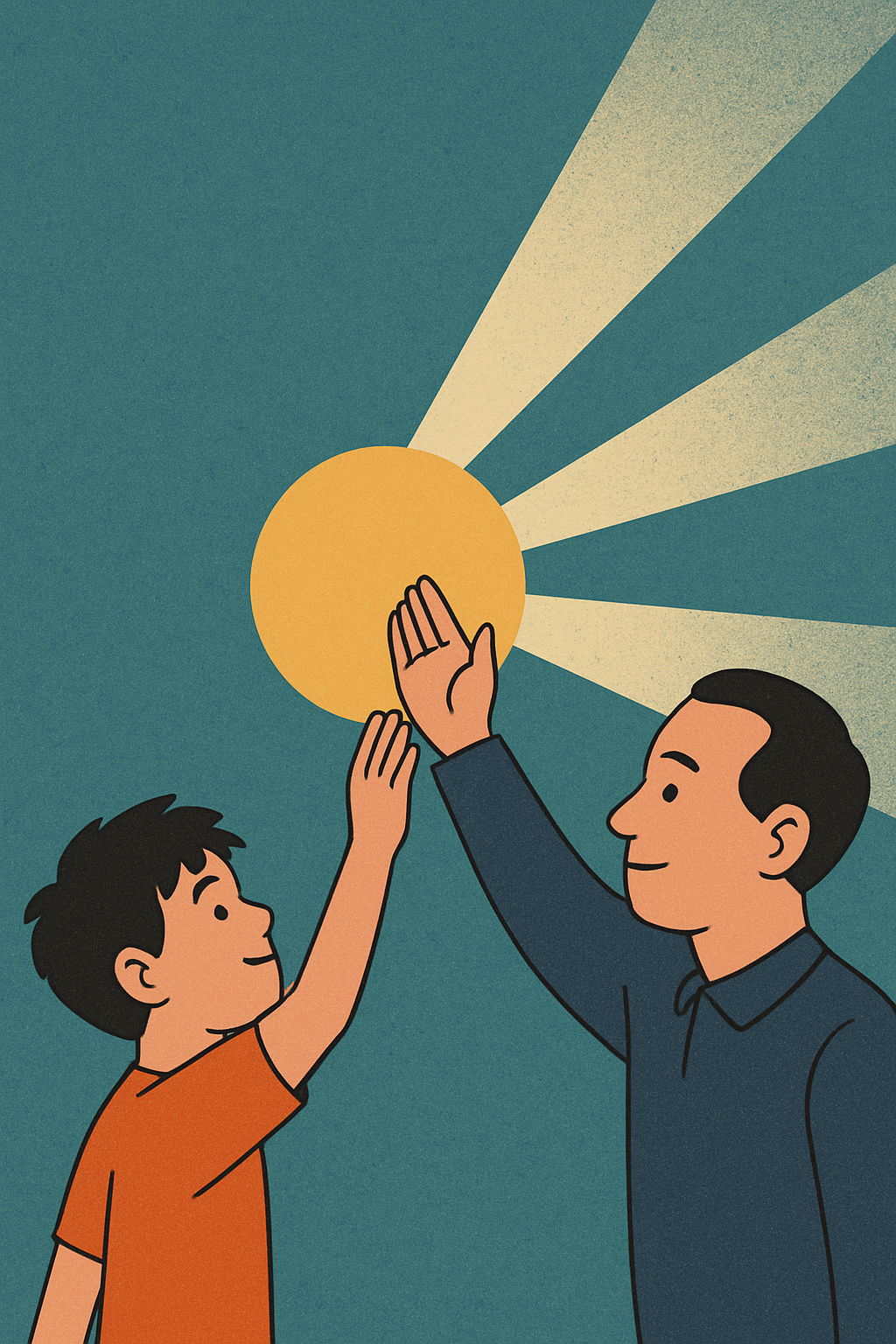
Listen more than you talk. Really listen.
-
Schedule weekly “connection time” — no agenda, just presence.
-
Express affection — hugs, praise, or simply “I’m proud of you.”
Pro Tip: Use shared activities — cooking, DIY, music — to connect emotionally without pressure.
Part 3: Common Questions and Honest Answers
Q: My teen is always on their phone. How do I pull them out?
A: Don’t yank — invite. Share a meme, join a trend they like, then redirect. Start with interest, not interruption.
Q: My child shuts me out emotionally. Why?
A: Either they were once dismissed or fear your reaction. Be consistently open, not just when you “need to talk.”
Q: What if I say or do the wrong thing while trying to support them?
A: You probably will. That’s okay. Own it. Say, “I’m learning. Help me understand better.”
Q: How can I motivate my child who seems to have given up?
A: Motivation comes from connection. Reconnect first. Restore belief in them. Then help them reimagine a goal they want.
Part 4: Real Case Study — A Family Reconnects
Rhea, 16, once a bright, bubbly student, withdrew into silence during the pandemic.
Her grades fell, and she was always online. Her mother, Meera, blamed her for being lazy and irresponsible.
Until one day, Rhea wrote a heartbreaking poem about feeling “invisible.”
That was the wake-up call.
Meera stopped lecturing. She sat with Rhea every night for 10 minutes, just to listen. She enrolled Rhea in a creative writing course and started Sunday no-screen walks.
Within 6 months, Rhea smiled more. She journaled. Her grades stabilized. Meera didn’t “fix” her daughter. She simply saw her.
That changed everything.
Part 5: The Big Takeaway — What Youth Want their Parents to Know
🧠 “We’re not broken. We’re overwhelmed.”
💬 “Talk to us without judgment.”
🤝 “Let us fail. Be there when we get up.”
🫂 “We still need you — even when we say we don’t.”
Closing Thoughts: Healing Together, Not Alone
This generation doesn’t need perfect parents. It needs present ones.
Youth are not rebels without cause. They’re warriors without guidance. They’re creators with overloaded circuits. And most importantly, they’re still listening — if we learn how to speak their language.
To every parent reading this: Your child isn’t lost. They’re searching — for meaning, safety, and self-worth.
And to every young reader: Your voice matters. Your future is not ruined. And your pain? It’s seen.
Let’s bridge the gap, one honest conversation at a time.
Share This if You Care
If this article touched you, share it with a friend, parent, or educator.
Let’s make this the year we truly hear each other.
📬 Subscribe for weekly insight, truth, and tools to grow.
Related Articles
🧭 Personal Growth & Life Direction
Many people struggle with clarity about purpose, goals, and direction.
These articles explore how individuals can develop focus, discipline, and long-term perspective to shape a more intentional and meaningful life.
You Shape Your Life More Than You Realize
https://kvshan.com/2026/01/you-shape-your-life-more-than-you.html
From Spark to Fire: Finding and Growing Your Purpose
https://kvshan.com/2026/01/from-spark-to-fire-finding-and.html
The Youth Compass: From Directionless to Focused
https://kvshan.com/2026/01/the-youth-compass-from-directionless-to.html
Why New Year Resolutions Often Fail
https://kvshan.com/2025/12/new-year-resolutions-why-do-you-fail.html
Seek Clarity, Not Certainty
https://kvshan.com/2025/11/seek-clarity-not-certainty-guide-to.html
How to Maximize Your Time at Any Age
https://kvshan.com/2025/08/how-to-maximize-your-time-at-any-age-to.html
Stop Waiting: How Action Creates Opportunity
https://kvshan.com/2025/08/stop-waiting-how-action-creates.html
Procrastination on Purpose vs Destructive Delay
https://kvshan.com/2025/08/procrastination-on-purpose-vs.html