
Why New Things Stop Feeling New:
Understanding Hedonic Adaptation

Have you ever bought something you were incredibly excited about—a new phone, a car, a pair
of shoes, or even something as simple as a gadget—and felt a rush of happiness that seemed to
justify the purchase entirely? For a few days or weeks, it feels amazing. You show it off, use it
constantly, and maybe even feel like your life has improved.
Then, slowly and almost unnoticed, the excitement fades.
The object that once thrilled you becomes just another part of your daily routine. It’s no
longer special. It’s just… normal.
If this sounds familiar, you’re not alone. This pattern is deeply rooted in human psychology,
and it has a name: hedonic adaptation. Understanding this phenomenon can change the way
you think about happiness, consumption, and even life goals.
The Core Idea: What is Hedonic Adaptation?
Hedonic adaptation refers to the human tendency to quickly return to a relatively stable level
of happiness despite major positive or negative changes in life.
In simpler terms, no matter what happens—whether you buy something new, achieve a goal,
or experience a setback—you eventually adapt to it. Your emotional state settles back to its
baseline.
This doesn’t mean your experiences don’t matter. They do. But their emotional intensity is
often temporary.
When applied to consumer behavior, hedonic adaptation explains why:
That brand-new phone stops feeling exciting after a few weeks
Your dream car becomes “just your car”
Even luxury upgrades start to feel ordinary over time
The brain is remarkably efficient at normalizing change.
The Excitement Curve: From Novelty to Normal
To understand this better, think of your emotional response to a new purchase as a curve:
Anticipation Phase
Before buying, you feel excitement. You imagine how great it will be.
Acquisition High
Right after getting it, there’s a spike in happiness. Everything feels fresh and rewarding.
Adaptation Phase
Gradually, the novelty fades. You get used to the item.
Baseline Return
Eventually, your happiness level returns to where it was before.
This cycle repeats again and again.
And here’s the key insight: the problem isn’t the object—it’s how our minds are wired.
Why Does This Happen?
Hedonic adaptation isn’t a flaw—it’s an evolutionary feature.
1. Survival Efficiency
If humans remained permanently overwhelmed by every new experience, we’d struggle to
function. Adaptation allows us to focus on what matters right now instead of being stuck in
past excitement or distress.
2. Attention Shift
The brain prioritizes change over stability. Once something becomes familiar, it stops
demanding attention.
A new phone grabs your attention.
After a month, it fades into the background.
3. Desire for Progress
Humans are wired to seek improvement. If satisfaction lasted forever, motivation might
disappear. Adaptation keeps us striving, pushing us to seek new goals and experiences.
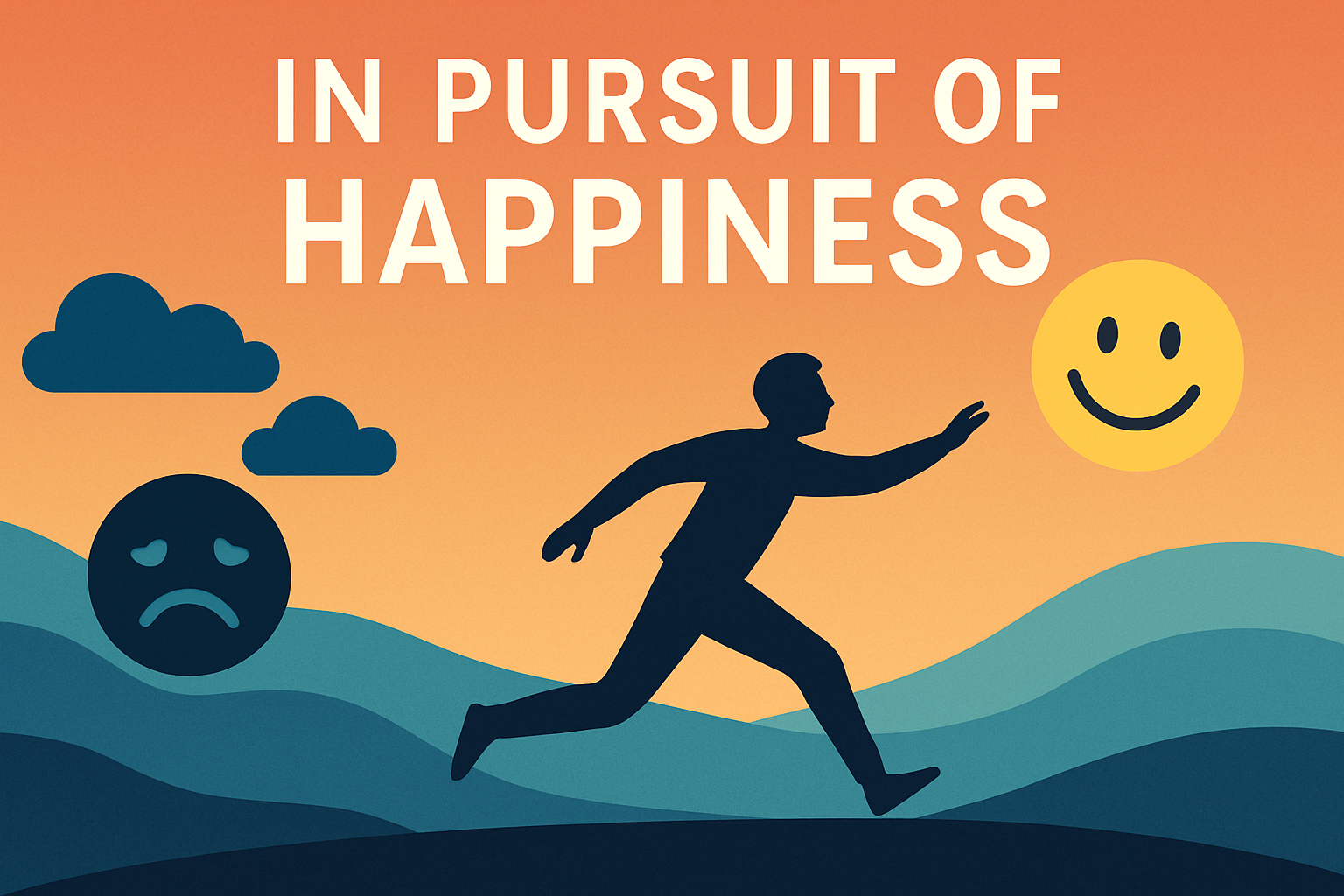
The Hedonic Treadmill: Always Running, Never
Arriving
Hedonic adaptation feeds into a broader concept often called the “hedonic treadmill.”
Imagine running on a treadmill:
You’re moving constantly
You’re putting in effort
But you’re not actually going anywhere
Similarly, in life:
You achieve something → feel happy
You adapt → happiness returns to baseline
You seek the next thing
This cycle can lead to a constant chase for “the next upgrade”:
Better phone
Bigger house
Higher salary
New experiences
But no matter how much you accumulate, lasting satisfaction remains elusive.
Consumer Culture and the Adaptation Loop
Modern consumer culture is built around this psychological tendency.
Advertising doesn’t just sell products—it sells feelings:
“This will make you happy.”
“This will improve your life.”
“You deserve this.”
And for a brief moment, it’s true.
But companies rely on the fact that your satisfaction won’t last. Because when it fades, you’re
ready to buy again.
This creates a powerful loop:
Desire → Purchase → Satisfaction → Adaptation → New Desire
Understanding this loop is the first step toward breaking it.
Real-Life Examples of Hedonic Adaptation
1. Technology
You upgrade your phone. It’s faster, smoother, more powerful.
Two weeks later? It’s just your phone.
2. Lifestyle Upgrades
Moving into a bigger home feels life-changing—until it becomes your new normal.
3. Career Success
A promotion brings excitement and pride. Over time, the new role becomes routine, and you
start thinking about the next step.
4. Relationships
Even relationships can experience adaptation. The initial “honeymoon phase” often
transitions into a more stable, less intense emotional state.
The Hidden Cost: Why This Matters
At first glance, hedonic adaptation might seem harmless. But it has deeper implications.
1. Endless Dissatisfaction
If you rely on external things for happiness, you may always feel like something is missing.
2. Financial Strain
Constant upgrading and buying can lead to unnecessary spending and debt.
3. Misplaced Priorities
You might invest time and energy into chasing things that don’t provide lasting fulfillment.
4. Emotional Burnout
The constant cycle of desire and disappointment can become exhausting.
Can You Escape Hedonic Adaptation?
You can’t completely eliminate it—it’s part of being human. But you can manage it.
Here are some practical ways to reduce its impact:
1. Practice Gratitude
Gratitude slows down adaptation.
When you actively appreciate what you have, you keep it emotionally “fresh.”
Instead of letting things fade into the background, you bring them back into awareness.
Try this:
Reflect on what you already own
Notice small details you once found exciting
Remind yourself why you wanted it in the first place
Gratitude doesn’t stop adaptation—but it delays it.
2. Savor Experiences
The more mindfully you engage with something, the longer its emotional impact lasts.
Instead of rushing through experiences:
Slow down
Pay attention
Fully immerse yourself
This applies not just to purchases, but to life in general.
3. Avoid Constant Comparison
Comparison accelerates adaptation.
When you compare what you have to what others have, your “normal” suddenly feels
insufficient.
Social media makes this worse by constantly exposing you to upgrades and highlights from
others’ lives.
Reducing comparison helps preserve satisfaction.
4. Space Out Upgrades
If you constantly chase new things, adaptation happens faster.
Instead:
Delay purchases
Let anticipation build
Make upgrades meaningful
The longer you wait, the more impact the change will have.
5. Focus on Experiences Over Objects
Research suggests that experiences tend to provide more lasting satisfaction than material
goods.
Why?
They create memories
They’re harder to compare
They’re less likely to become routine
A trip, a meaningful conversation, or learning something new often stays with you longer than
a physical item.
6. Embrace Variety
Reintroducing novelty can slow adaptation.
Even small changes—like rearranging your space or changing routines—can make familiar
things feel new again.
7. Redefine Happiness
Perhaps the most important shift is this:
Stop expecting permanent happiness from temporary things.
Happiness isn’t a constant state—it’s dynamic.
Instead of chasing peaks, aim for:
Contentment
Meaning
Stability
These are less affected by adaptation.
The Paradox of Progress
Hedonic adaptation reveals an interesting paradox:
The very mechanism that drives progress also prevents lasting satisfaction from that progress.
Without adaptation, humans might never strive for more.
With adaptation, we rarely feel fully satisfied.
The goal, then, isn’t to eliminate desire—but to become aware of it.
A Healthier Relationship with “New”
There’s nothing wrong with enjoying new things.
The excitement is real, and it’s part of life’s richness.
But problems arise when:
You expect the excitement to last forever
You rely on it for happiness
You keep chasing it without awareness
A healthier mindset looks like this:
Enjoy the excitement
Expect it to fade
Appreciate the value beyond novelty
Final Thoughts
Hedonic adaptation explains a simple but powerful truth:
New things don’t stay new—not because they change, but because we do.
Your brain is constantly adjusting, recalibrating, and normalizing your experiences.
Understanding this doesn’t make life less enjoyable—it makes it more intentional.
Instead of being unconsciously pulled into cycles of desire and disappointment, you can step
back and choose differently:
Buy with awareness
Appreciate more deeply
Seek meaning beyond novelty
Because in the end, happiness isn’t found in the next purchase.
It’s found in how you experience what you already have.
Also read
Very true
Ty