Is Digital Overload Causing a Global Brain Fog Epidemic?
Here’s What You Need to Know
When
hyperconnectivity clouds the mind
From Tokyo’s neon-lit screens to New
York’s never-ending Slack messages, digital overload has become a silent global
threat. While modern tech connects us across borders, it’s also rewiring our
brains — and not always for the better.
Enter Brain fog — a mental state
where your thoughts feel slow, memory gets patchy, and focus slips away. What
used to be the side effect of stress or illness is now increasingly tied to how
we use (and overuse) digital devices.
This blog dives deep into how screen
saturation is affecting cognition across countries, what science says, who’s
most vulnerable, and how we can reclaim mental clarity — together.
Why so many concern about this
comparatively new subject? The world has recognised Brain fog as one of the
many factors hampering human cognition. And this cognition impairment prevents
overall development as a person.
What
is Brain fog, really?
Brain fog isn’t a disease, but it feels
like your brain’s running on 2G while the world moves in 5G. You might
experience:
– Inability
to concentrate
– Short-term
memory issues
– Difficulty
with word recall
– Mental
exhaustion
– Slower
information processing
It’s often caused by lack of sleep,
stress, inflammation, or hormonal imbalance, but now there’s a rising suspect
in the foggy equation — excessive digital exposure.
A little brush up on the brain hormones
and functions of each so that it becomes easier to understand the general
working of brain as we discuss about not letting the brain do its job
efficiently.
Brain hormones, also known as
neurotransmitters and neurohormones, play a crucial role in various bodily
functions, including mood, sleep, appetite, and pain perception. Key examples
include dopamine, oxytocin, serotonin and endorphins, fondly known as DOSE.
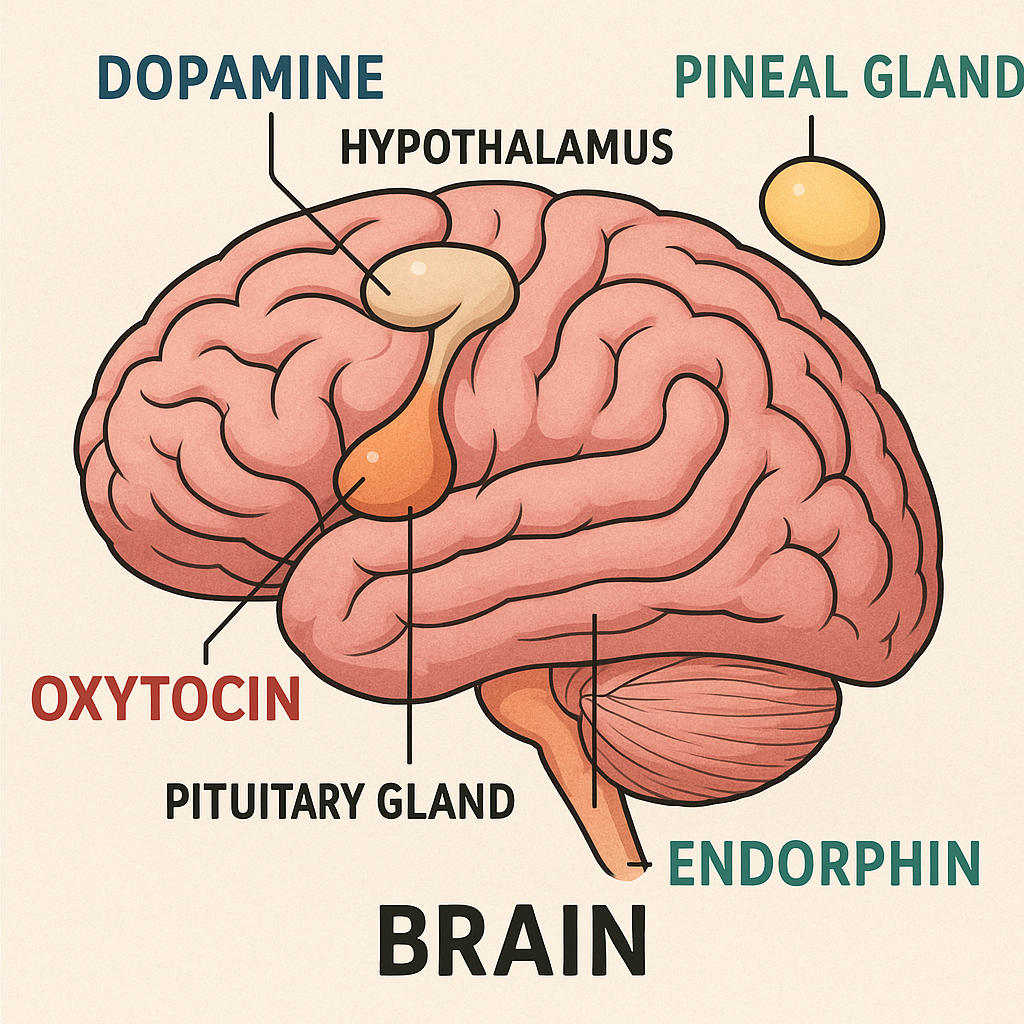
This educational image displays a side view of the human brain, highlighting glands responsible for producing key feel-good chemicals. The hypothalamus is shown as the source of dopamine, boosting motivation and reward. The pituitary gland produces oxytocin, enhancing emotional bonding. The pineal gland is connected to serotonin, helping regulate mood and calmness. Endorphins, natural painkillers, are produced throughout the brain. The color-coded lines and labels make it easy to understand each hormone’s source and function.
Here’s a breakdown of some key brain
hormones and their roles:
1. Dopamine:
Function:
A neurotransmitter and hormone involved
in pleasure, motivation, and reward.
How it helps:
It stimulates the brain’s reward system,
leading to feelings of satisfaction and pleasure, and also plays a role in
learning and memory.
Examples:
Dopamine is released when you achieve a
goal, experience something pleasurable, or when you are anticipating a reward.
2. Oxytocin:
Function:
A hormone and neurotransmitter associated
with social bonding, love, and trust.
How it helps:
It promotes feelings of connection,
reduces stress, and can also be involved in pain relief.
Examples:
Oxytocin is released during childbirth,
breastfeeding, and when spending time with loved ones.
3. Serotonin:
Function:
A neurotransmitter and hormone that
regulates mood, sleep, appetite, and digestion.
How it helps:
It can help reduce symptoms of depression
and anxiety, and is also involved in learning and memory.
Examples:
Serotonin is involved in the regulation
of sleep cycles, appetite control, and digestive processes.
4. Endorphins:
Function:
Hormones released in response to pain or
stress, acting as a natural pain reliever.
How it helps:
They can help reduce pain and improve
mood, contributing to a sense of well-being.
Examples:
Endorphins are released during exercise,
massage, or even pleasurable activities like eating.
Other Brain hormones:
Melatonin: A hormone produced in the pineal gland
that regulates sleep-wake cycles.
Growth Hormone (GH): A hormone produced by the pituitary
gland that controls body growth and development.
Antidiuretic Hormone (ADH): A hormone produced by the hypothalamus
and pituitary gland that regulates water balance.
Luteinizing Hormone (LH): A hormone produced by the pituitary
gland that plays a role in reproductive functions in both men and women.
Thyroid Hormones (T3 and T4): Essential for brain development and
influencing mood and behaviour.
Cortisol: A hormone released in response to
stress, helping regulate blood sugar levels and impacting memory. The more you
are stressed out the more cortisol is released which is not so healthy a sign
for the body.
Now that you have gone through the
functions of each in general, just for the sake of reading, I want you to go
through it again and understand in how so many ways constant digital exposure can
damage you. When we say it affects brain it actually affects the way you
conduct in daily life because brain is responsible for your growth, sleep, mood,
reproductive functions etc. and all are interconnected as one has a significant impact on
the other.
How screens are
reshaping our cognitive health
Constant app-switching trains the brain
to crave novelty, making it harder to sustain deep focus. This has been linked
to a drop in working memory performance. The craving for instant gratification
tosses the hormonal balance.
2. Blue light & Melatonin suppression
Blue light from screens suppresses
melatonin — the sleep hormone. Poor sleep affects attention, memory, and
emotional regulation, all fuelling brain fog.
3. Mental overload
The brain can’t multitask — it switches
tasks rapidly, tiring out the prefrontal cortex. Juggling emails, messages, and
TikToks doesn’t make you more productive — it drains your cognitive battery.
4. Dopamine dependency
Social media and notifications spike
dopamine. Eventually, the brain becomes dependent on this external stimulation,
lowering intrinsic motivation and attention span.
When you do the Root Cause Analysis you
finally find out that one of the major reasons for all the disturbances stems
from the same source i.e excessive digital exposure.
Which countries are most affected by
digital Brain fog?
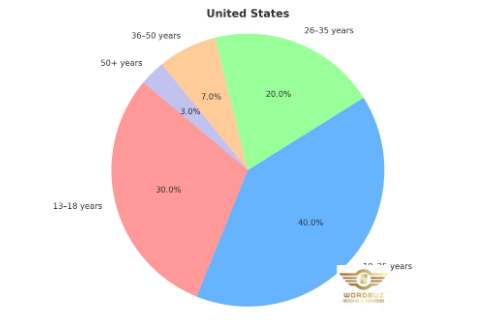
United States
The U.S. leads in screen time with adults
spending over 7 hours/day on average. A 2024 study found 38% of high school
students reported cognitive issues tied to screen use. Work-from-home burnout
and ‘always-on’ work culture also contribute.
India
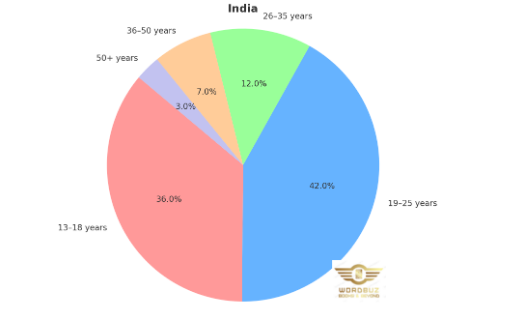
India’s massive mobile-first population
has seen a spike in digital fatigue post-pandemic. Young adults report high
levels of attention disorders and mental exhaustion, exacerbated by poor sleep
hygiene and academic pressure.
United Kingdom
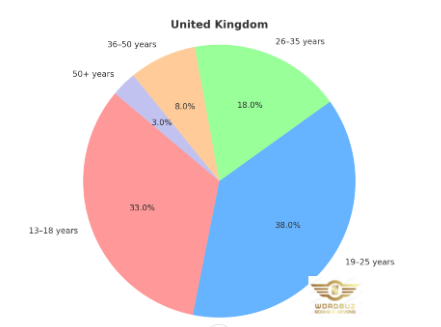
UK studies link excessive social media
usage with poor academic performance and increased risk of depression. Brain
fog symptoms are particularly reported among adolescents and university
students.
China
Interestingly, some Chinese studies found
moderate internet use may improve cognition among older adults. However, in
younger populations, rising gaming addiction and device dependence are causing
attention and memory concerns.
Kenya
In lower-income nations like Kenya,
access to digital tools is increasing, but digital literacy lags. This
imbalance can lead to excessive and unhealthy usage patterns, particularly
among youth in urban areas.
Let’s look at the data continent wise.

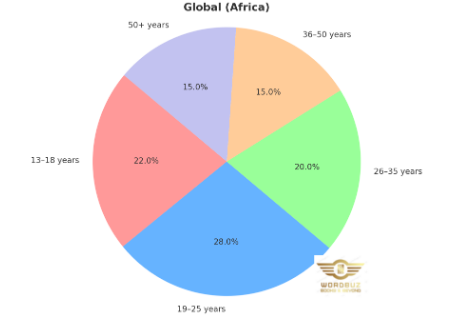
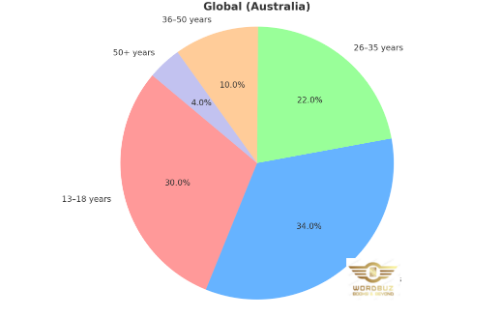
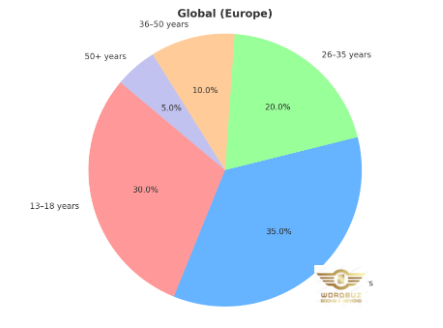
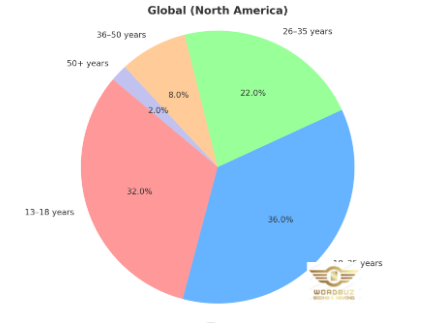
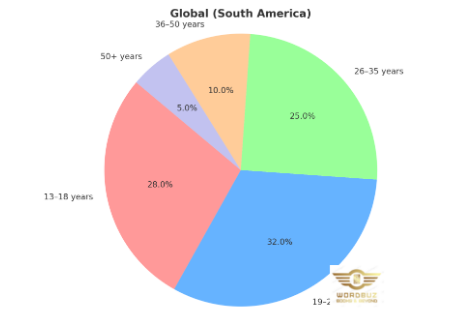
Cultural comparisons: Global attitudes
toward digital use
|
Position |
Country |
Screen (avg |
Cultural |
|
1 |
USA |
7.5 |
Hustle |
|
2 |
India |
6.8 |
High mobile |
|
3 |
Brazil |
6.2 |
High social |
|
4 |
Japan |
5.7 |
Long work |
|
5 |
Finland |
4.8 |
Balanced |
Insight: Countries that prioritize balance (like Finland)
experience less tech-induced brain fog despite high connectivity.
Symptoms of Brain fog from digital overexposure
– Constant mental fatigue even after sleeping
– Poor short-term memory
– Trouble forming coherent thoughts
– Inability to focus on one task for long
– Feeling emotionally drained after screen time
– Eye strain, headaches, or visual fatigue
How to clear Brain fog and reclaim mental
clarity
1. Time-box your digital life
Block out specific hours for deep work,
screen-free activities, and digital detox. Apps like Forest and Freedom can
help.
2. Reclaim the morning
Avoid screens for the first hour of your
day. Let your brain wake up naturally — stretch, meditate, journal, or walk
instead.
3. Nutrition for the Brain
Include in your diet:
– Omega-3
fats (flaxseed, walnuts, salmon)
– Magnesium
(leafy greens, pumpkin seeds)
– Hydration:
Even 2% dehydration can affect focus!
4. Microbreaks matter
Every hour, step away from screens for at
least 5 minutes. Stretch. Breathe. Look out a window.
5. Practice ‘Monotasking’
Do one thing at a time. Close other tabs.
Put your phone away. Your brain will thank you.
Mental wellness practices backed by
science
Mindfulness meditation: Even 10 minutes daily improves focus
and reduces stress.
Gratitude journaling: Trains your brain to focus on the
positive, reducing anxiety and mental clutter.
Sleep tracking: Apps like Sleep Cycle help monitor and
improve sleep patterns essential for brain health.
The role of policy and education
– Finland
includes media literacy and screen-break guidelines in school curriculums.
– South
Korea regulates excessive gaming among teens with “shutdown” laws.
– France
has banned smartphones in schools for kids under 15 to combat distraction and
digital fatigue.
Other countries can adopt similar frameworks
to foster healthier digital behaviour — starting from a young age.
A connected world needs clear minds
The brain fog pandemic is no longer an
isolated phenomenon — it’s global. From Silicon Valley to small towns in South
Asia, people are waking up groggy, distracted, and mentally exhausted — not
from illness, but from constant digital bombardment.
Reversing Brain fog
Is it possible? If yes then how long does it take?
Yes it is. While recovery time varies, you can start noticing improvements in 7–14 days of consistent digital hygiene. Full cognitive restoration may take longer if you’ve been foggy for months — but the brain is remarkably adaptable with the right care.
We don’t have to unplug forever. We just
need to relearn how to use technology wisely. By adopting intentional habits
and spreading digital wellness awareness, we can clear the fog — and see the
world (and ourselves) more clearly again.
“Thus spake some…“
“Digital multitasking is training our brains to stay shallow. We’re becoming skimmers rather than thinkers.”
— Dr. Gloria Mark, University of California, Irvine
“There’s a fine line between connectivity and cognitive overload. We’ve crossed it.”
— Prof. Daniel Levitin, Neuroscientist and Author
“The human brain wasn’t designed to process thousands of micro-interactions daily. That’s exactly what notifications do.”
— Dr. Adam Gazzaley, Cognitive Neuroscientist
What you can do today:
– Share
this article with friends, family, or co-workers showing signs of digital
burnout.
– Try
a 24-hour digital detox and journal the changes.
– Start
your day screen-free tomorrow — and feel the shift
==============================================================
Next blogs in the pipeline
1. Stress
and Depression; Causes and remedies
2. Post-Partum
Depression: A small guide to new moms and specially for dads
3. Importance
of Nutrition: Why do we need it?
4. Why
do women gain weight after a certain age? Why their weight is not reduced after
dieting and work outs?
5. Why
men are not able to build muscles even they hit gym regularly?
6. Is
it possible for both men and women to reduce weight at home?
7. Is
protein supplement a necessity after certain age for both men and women?
8. Is
Manifestation a myth?
9. Sleep:
Do you know how to?