After a whole day’s mental and physical exhaustion your body will demand rest. The auto mechanism that forces you to take rest so that your body can be repaired and rejuvenated for the next day is called sleep. If you want to know the value of sound sleep ask a person who hadn’t had a goodnight sleep for years. May be a few of you do suffer from this problem. When I had a brief stint with an episode of sleepless nights, I did search about this god gift through available resources and I thought its imperative for me to share what I had learnt with you.
Mastering the Art of Sleep Science: How to Sleep Well in a Chaotic World
In our modern, fast-paced world, quality sleep is often underrated—sacrificed for late-night productivity or replaced by digital distractions. Yet, sleep is not a luxury; it is a vital biological necessity. Without proper sleep, your mind and body cannot function at their peak.
Whether you suffer from insomnia, struggle with chronic fatigue, or simply want to optimize your daily performance, understanding sleep hygiene and sleep science is the key to unlocking better physical and mental health.
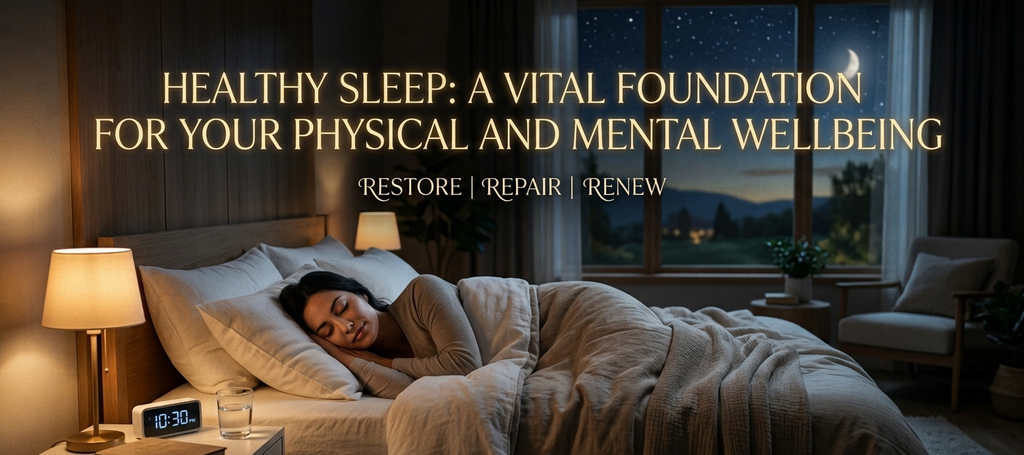
What is Sleep? The Science Behind the Sleep Cycle
Sleep is a natural, recurring state of rest where the body and mind become less responsive to external stimuli. It is characterized by altered consciousness, reduced muscle activity, and limited environmental interaction.
Your sleep pattern is regulated by two primary internal mechanisms:
- Circadian Rhythm: Your internal body clock that responds to light and darkness, signaling to your brain when to feel awake and when to release melatonin for sleep.
- Sleep-Wake Homeostasis: The internal biological drive for sleep that accumulates the longer you stay awake.
+-------------------------------------------------------------------+
|                        THE STAGES OF SLEEP                        |
+-------------------------------------------------------------------+
|  Stage 1 (Non-REM)  : Light sleep, body transitions to rest.      |
|  Stage 2 (Non-REM)  : Heart rate slows, body temp drops.          |
|  Stage 3 (Non-REM)  : Deep sleep, physical repair & immunity.     |
|  REM Sleep          : Brain activity surges, dreaming, memory.    |
+-------------------------------------------------------------------+
Sleep occurs in recurring cycles lasting roughly 90 to 110 minutes, alternating between Non-REM (Non-Rapid Eye Movement) and REM (Rapid Eye Movement) stages.
- Non-REM Sleep: Spans light sleep (Stages 1 and 2) to deep sleep (Stage 3). Deep non-REM sleep is critical for physical restoration, muscle growth, and tissue repair.
- REM Sleep: Marked by high brain activity and vivid dreams. REM sleep is essential for cognitive processing, emotional regulation, and memory consolidation.
Why is Sleep Important? Essential Health Benefits
Getting high-quality sleep impacts almost every system in the human body. Prioritizing rest delivers measurable health benefits:
- Physical Repair & Immunity: During deep sleep stages, your body builds tissue, synthesizes proteins, releases growth hormone, and strengthens immune defenses to fight off illnesses.
- Brain Function & Memory Consolidation: Sleep sharpens focus, boosts problem-solving abilities, and cleanses the brain of cellular waste to improve long-term memory retention.
- Mental & Emotional Health: Quality sleep stabilizes mood, balances neurotransmitters, and significantly lowers the risk of anxiety and depression.
- Cardiovascular & Metabolic Support: Adequate rest helps regulate blood pressure, improves insulin sensitivity, and lowers the risk of metabolic syndrome.
Recommended Daily Sleep Duration by Age
To maintain peak health, the National Sleep Foundation recommends the following daily sleep targets:
| Age Group | Recommended Daily Sleep |
| Infants (4–12 months) | 12 to 16 hours (including naps) |
| Children (1–5 years) | 10 to 14 hours (including naps) |
| School-Aged Children (6–12 years) | 9 to 12 hours |
| Teenagers (13–18 years) | 8 to 10 hours |
| Adults (19–64 years) | 7 to 9 hours |
| Older Adults (65+ years) | 7 to 8 hours |
The Hazards of Sleep Deprivation
Whether acute or chronic, sleep deprivation exerts a heavy toll on cognitive capabilities and physical longevity.
  +---------------------------------------------------------------+
  |                 EFFECTS OF SLEEP DEPRIVATION                  |
  +---------------------------------------------------------------+
  |  Cognitive Impairment  --> Brain fog, poor focus, memory loss  |
  |  Emotional Instability --> Mood swings, elevated anxiety       |
  |  Physical Risks       --> Weakened immunity, weight gain     |
  |  Long-Term Damage     --> Heart disease, cognitive decline     |
  +---------------------------------------------------------------+
Short-Term Consequences
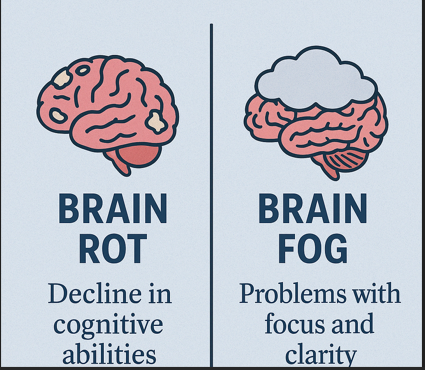
- Cognitive Dysfunction: Slower reaction times, brain fog, poor judgment, and reduced attention span.
- Emotional Instability: Heightened irritability, mood swings, and stress reactivity.
- Decreased Physical Performance: Reduced stamina, slower muscle recovery, and coordination issues.
Long-Term Health Risks
- Cardiovascular Disease: Chronic sleep loss is linked to high blood pressure, systemic inflammation, and elevated heart attack risks.
- Metabolic Disorders: Lack of sleep disrupts hunger hormones (ghrelin and leptin), driving craving spikes, weight gain, obesity, and Type 2 diabetes.
- Neurodegenerative Decline: Lack of deep sleep impairs the brain’s waste-clearance system, increasing the risk of Alzheimer’s and cognitive decline.
Note: Sleep debt accumulates over time. Attempting to “catch up” on sleep during weekends fails to fully reverse metabolic and cognitive deficits.
Is Too Much Sleep Harmful? The Oversleeping Risk
While sleep deprivation is widely discussed, hypersomnia (excessive sleeping) can also signal underlying health complications. Consistently sleeping more than 9 to 10 hours per night for adults is associated with distinct health risks:
- Daytime Fatigue & Brain Fog: Excessive sleep disrupts natural circadian rhythms, leaving you feeling sluggish throughout the day.
- Elevated Disease Risk: Studies link prolonged sleep duration with higher rates of stroke, coronary heart disease, and metabolic disorders.
- Depression Link: Oversleeping is frequently both a symptom and a contributing factor in major depressive disorders.
- Underlying Conditions: Persistent hypersomnia often stems from hidden issues such as sleep apnea, hypothyroidism, or chronic fatigue syndrome.
Primary Causes of Poor Sleep Quality
Identifying the root cause of sleep disruption is the first step toward restoring proper sleep hygiene:
1. Lifestyle Factors
- Blue Light Exposure: Blue light from smartphones, tablets, and TVs inhibits natural melatonin secretion.
- Stimulants & Alcohol: Caffeine consumption late in the day delays sleep onset, while evening alcohol disrupts REM cycles.
- Inconsistent Schedules: Irregular sleep-wake times throw off your internal circadian clock.
2. Environmental Disturbances
- Excess light, ambient noise, improper room temperature, or an unsupportive mattress can interrupt sleep cycles.
3. Medical & Psychological Conditions
- Sleep Disorders: Conditions like Obstructive Sleep Apnea (OSA), restless legs syndrome (RLS), and chronic insomnia require medical evaluation.
- Stress & Anxiety: Racing thoughts and high cortisol levels prevent the body from entering a parasympathetic rest state.
Master Sleep Science Hygiene: Proven Habits for Better Rest
Transforming your sleep quality relies on consistent, science-backed habits:
- Maintain a Consistent Schedule: Go to bed and wake up at the exact same time every day, even on weekends, to stabilize your circadian rhythm.
- Optimize Your Bedroom Environment: Keep your bedroom cool (around 60–67°F or 15–19°C), dark, and quiet. Use blackout curtains or a white noise machine if needed.
- Build a Wind-Down Routine: Transition into rest mode 30 to 60 minutes before bed with low-light activities like reading, light stretching, or journal writing.
- Manage Light Exposure: Get 15 to 30 minutes of natural sunlight first thing in the morning to anchor your circadian rhythm, and eliminate screen time 1 hour before sleep.
- Watch Meal Timings: Avoid heavy, fatty, or spicy meals at least 3 hours before bed to prevent indigestion and sleep disruptions.
Breakthrough Discoveries in Sleep Research
Modern neuroscience has revealed extraordinary insights into how sleep preserves long-term brain and body health:
- The Glymphatic System: Discovered by neuroscientists, this waste clearance system opens up during deep sleep to drain toxic metabolic waste from the brain, including beta-amyloid plaques linked to Alzheimer’s disease.
- Memory & Neuroplasticity: Research from institutions like Harvard and Stanford confirms that sleep restructures neuronal connections, locking short-term memories into long-term storage.
- Sleep Chronotypes: Behavioral genetics show that individuals naturally lean toward specific chronotypes (e.g., morning larks vs. night owls). Aligning daily routines with your biological chronotype optimizes daily productivity and sleep quality.
Memory Integration:
During deep rest, your brain isn’t just taking a break—it actively transfers short-term experiences into long-term storage. Research highlights how sleep consolidates memory by shifting information from the hippocampus to the frontal cortex, ensuring key lessons stick while clearing out mental clutter.
Brain Detox Integration:
Beyond sharpening your focus, quality rest acts as a physical cleanup routine. The National Institutes of Health has detailed how the brain relies onthe glymphatic system during sleepto flush out metabolic waste and neurotoxins accumulated throughout the day.
Practical Action Plan to Fall Asleep Fast
If you struggle to drift off at night, try this step-by-step sleep optimization routine:
- Set a Hard Screen Cutoff: Turn off all phones, computers, and TVs by 9:00 PM.
- Dim the Lights: Switch off bright overhead lighting and use warm, low-intensity lamps.
- Try Relaxation Techniques: Practice the 4-7-8 breathing method or progressive muscle relaxation to reduce heart rate and calm your nervous system.
- Follow the 20-Minute Rule: If you lie awake for more than 20 minutes, get out of bed. Go to a dimly lit room and do a quiet activity until you feel naturally drowsy.
- Hide the Clock: Turn clocks away from view to eliminate time-checking anxiety.
Top Resources, Courses, and Apps for Sleep Improvement
Take advantage of structured courses and digital tools to track and optimize your sleep:
Recommended Courses & Books
- Course:The Science of Sleep (Coursera / University of Michigan) – Deep dive into sleep biology and sleep disorder management.
- Course:Master Your Sleep (Udemy) – Practical strategies to overcome insomnia and improve sleep hygiene.
- Book:Why We Sleep by Dr. Matthew Walker – Comprehensive research on how sleep transforms brain power and physical health.
- Book:Sleep Smarter by Shawn Stevenson – 21 practical strategies for better sleep and performance.
Essential Sleep Tools & Apps
- Sleep Trackers: Apps like Sleep Cycle analyze sleep stages via sound and movement.
- Meditation & Sound Apps: Tools like Calm, Headspace, and Noisli offer guided sleep meditations and white noise.
Final Thoughts: Make Sleep Your Priority
Sleep is the absolute foundation of human health—as critical to long-term vitality as exercise and nutrition. By prioritizing consistent sleep schedules, practicing effective sleep hygiene, and addressing sleep disruptions early, you unlock elevated energy, sharper focus, and long-term resilience. Make sleep a non-negotiable part of your daily routine.
Sleep and Blue Light: Why Bright Screen Marketers Stress on Bluelight – The secret connection of mobile PC/laptop/TV and Blue Light
Check out Books for interesting topicsTrataka Guide: How to Practise Correctly for Focus Part 4Types of Trataka: 10 Powerful Ways to Elevate Your Mind (Part 3)Trataka Meditation Part 2: How Trataka Trains the Brain – The Brilliant Science BehindTrataka: The Remarkable Yogic Practice That Sharpens Focus and Calms the Mind-Part 1Dream Bigger Than Your Circumstances